
Learn more

Funnels are pipes. Pipes for your business. Carrying potential traffic to move forward to take action.
I want you to understand funnels the way they actually run for your favorite creators and brands online: 24/7. The second you crack this for your own audience, it just keeps working. Map it once, and it works on its own, every single damn time.
I’m obsessed with mapping a sales funnel. It shows you the exact architecture of a business. This helped me understand how a service-based business works differently from a product-based one (even when both operate online) and how low ticket offers attract people differently than high ticket offers, even within the same field.
Wait, let me explain this again, simply and slowly, because a lot of founders don’t fully get this:
A funnel is how you intentionally map the path a potential lead takes, from the moment they become aware of you to the moment they buy or book.
I’ve studied funnels for hours, and that made me see them everywhere. I want to break it down in a way that helps you understand which one will actually work for you.
Before we get into that, there are 2 things you need to know:
Ideal Client
Your ideal client is aka your dream client, the person you get excited to work with. They’re the one who finds your work the most valuable, the one who pays you the big bucks to GET YOUR HANDS on their project.
You should have 4 to 6 characteristics of your ideal client, and they need to go deeper than ‘women entrepreneurs’ or ‘coaches.’
Think about their stage of business (starting out or already scaling), their mindset (do they value speed or craftsmanship, DIY or done for you), their budget range, and what actually pushes them to invest (a launch deadline, a rebrand, a bad experience with someone else). The more specific you get, the easier it becomes to spot this person in a comment section or a DM.
Once you know who that person is, the next problem is making sure you’re only talking to them.
Qualify Them
This part is super important. A lot of people think qualifying happens once someone jumps on a call with you. That’s exactly what we want to prevent. We want them QUALIFIED, or close to it, before they ever book.
Qualifying isn’t one question on an intake form. It’s something your content, your captions, your landing pages, and your emails should all be doing quietly in the background, so that by the time someone reaches out, they already know what you do, who it’s for, and roughly what it costs. The call or the booking is just the last filter, not the first one.
There are a lot of steps, but here are the basics.
Now that you get this, let’s talk about how a funnel helps you qualify your clients. I’ll walk through 3 examples, the ones most trending right now.
Webinar (aka free mastermind)
The webinar funnel is my favorite right now. It’s the best way to qualify someone because they sit through an entire hour, sometimes more, for what most people call a masterclass. If someone sits through an entire hour, they already find you and your information valuable. They fit the description.
The other reason it works so well: you’re walking someone step by step through their current struggle, the exact position they’re stuck in, a reframe, testimonials, what your service actually does. And you’re doing this in your own voice, in front of a camera, showing your full energy. That builds trust. That builds authority. That builds recognition. That builds your position. It leaves an impact.
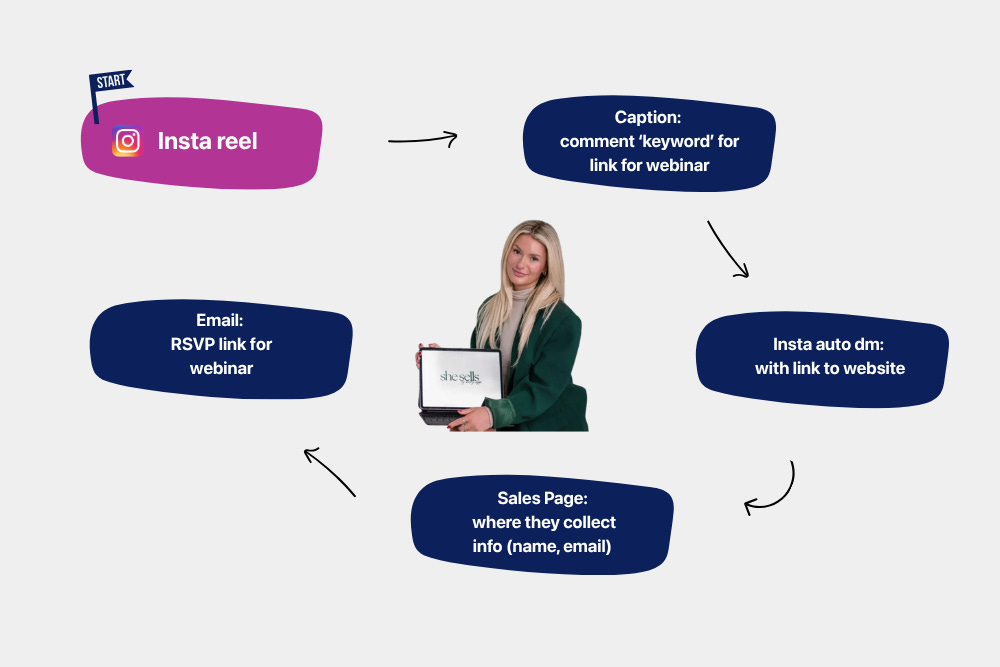
Take Shelby Sapp. Look at how she qualifies students for She Sells Academy, and why it works so well.
Here’s how it works:
Lead Magnet (aka freebie)
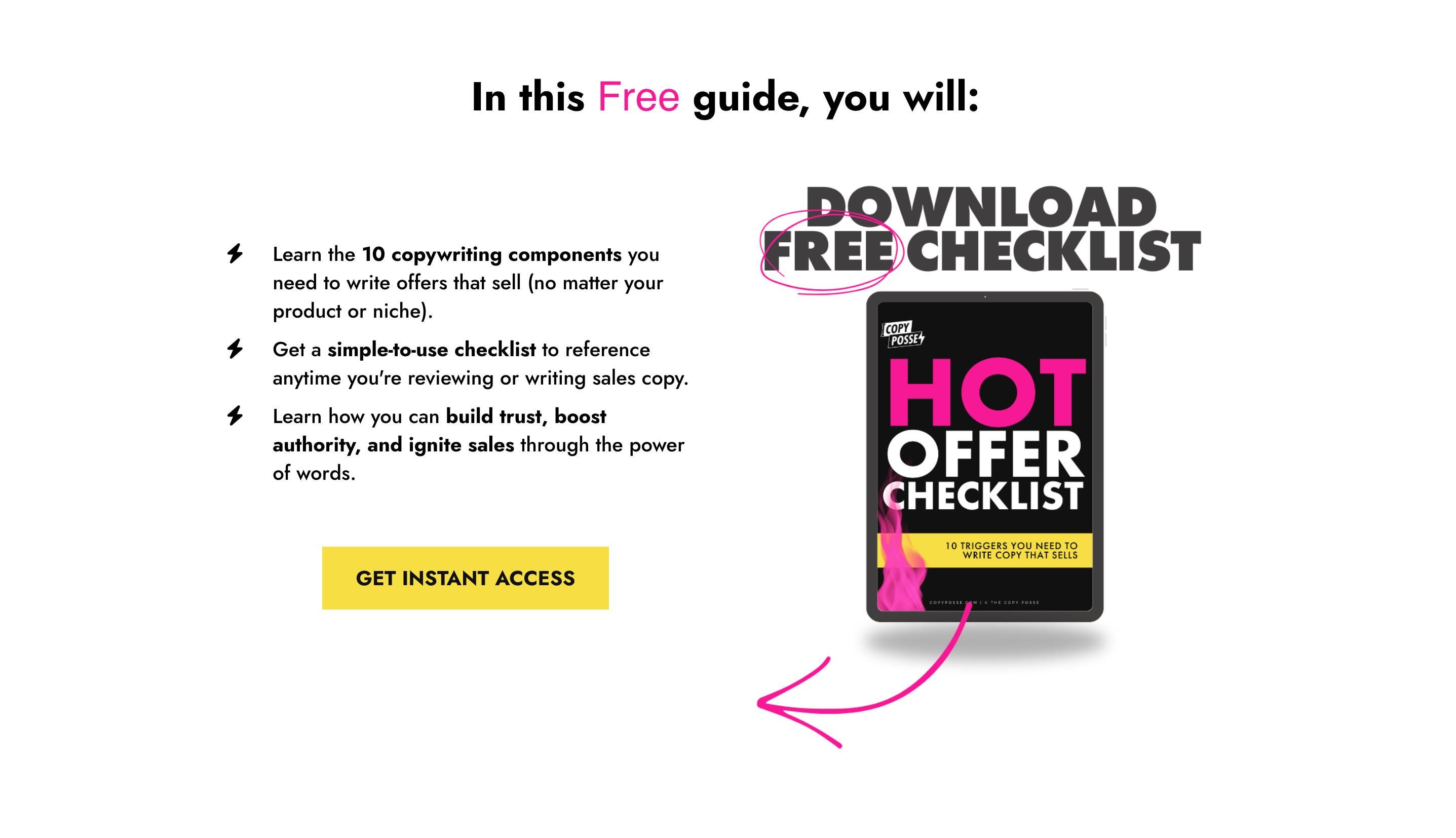
A webinar qualifies through time. A lead magnet qualifies through something smaller: a trade. A lead magnet is a freebie, the 10 free checklists to write amazing emails. It works as a soft entry point into your funnel, value in exchange for their information. It’s usually the start of nurturing that person, leading them toward your low ticket or high ticket offer through an email nurture flow, a direct way to speak to them and keep giving value.
Book Free Call (aka discovery call)
A discovery call is for the person who’s already decided, they just need you to confirm it. A lot of service providers use discovery calls to guide their leads. Anyone who’s made it to the point of booking a call with you has already gone through your socials and your website to make that decision. When you get on the call, your job is to help them finalize it, tell them honestly if this is the right fit for their specific situation (sharpen your sales skills for this one).
Most high ticket offers ($2k+) need a discovery call because nobody invests without more trust first. And we don’t just hand out a booking link. We send people through an inquiry form first, to qualify how serious they actually are. Everyone’s time is valuable, and the inquiry form filters for the person who is.
And the path to get there looks like this:
Link in bio → explore your website (case study, testimonials etc) → find your services → fill out inquiry form → gets an email for booking link → books a call
Every funnel above is doing the exact same job. It’s just filtering at a different point.
Webinar qualifies through time. Lead magnet qualifies through exchange. Free call qualifies through effort. None of them are actually selling anything.
So before you copy whatever funnel is trending on your feed, ask what YOUR offer actually needs. Not what every person in your field is doing.
The pipe isn’t there to sell. It’s there to filter for the right person.
See you on Monday for the next issue of The 404 Archives.

.jpg)
.png)
%20(1).png)